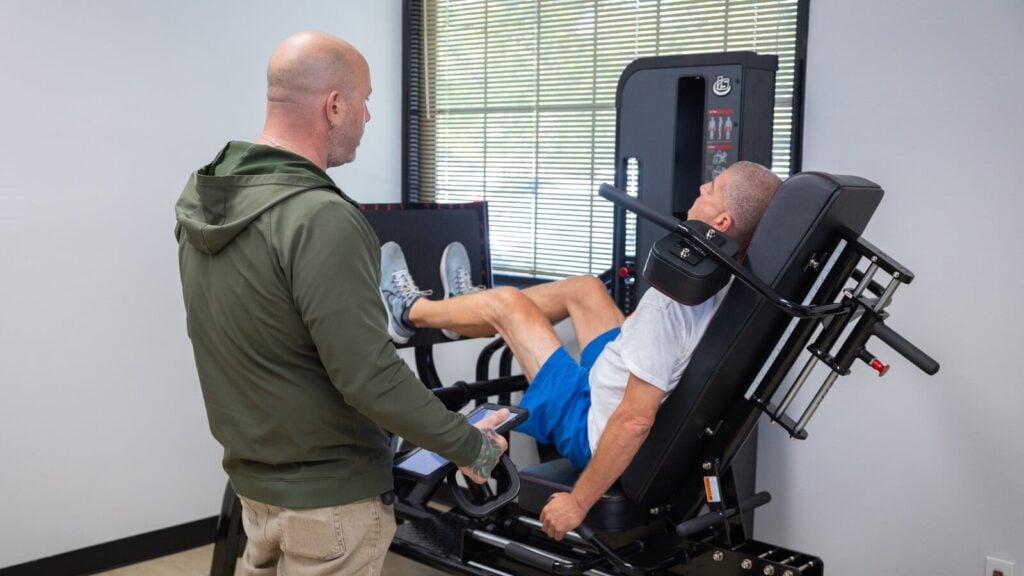
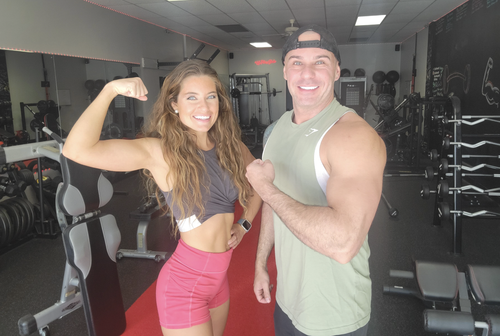
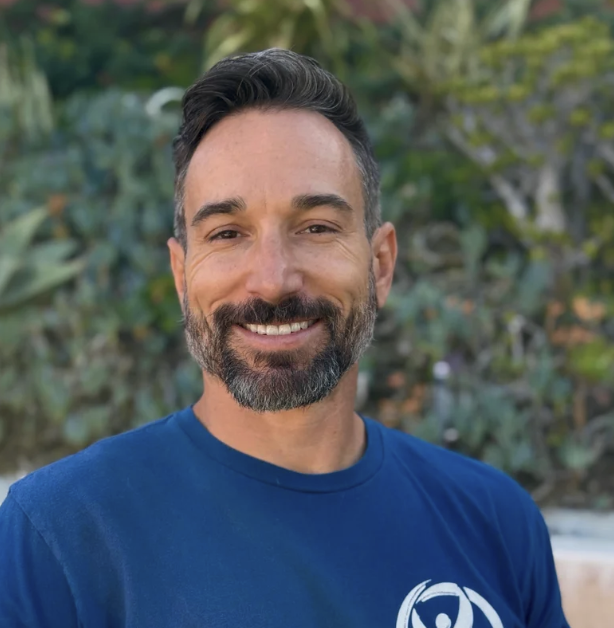
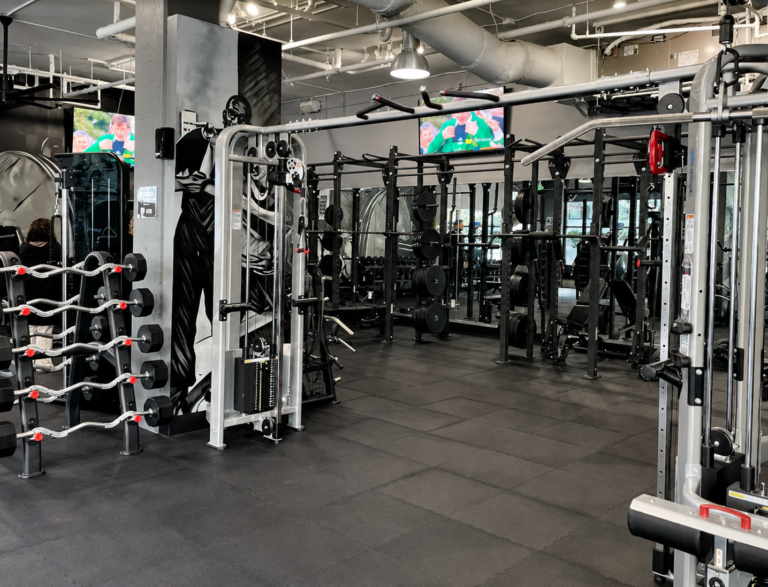
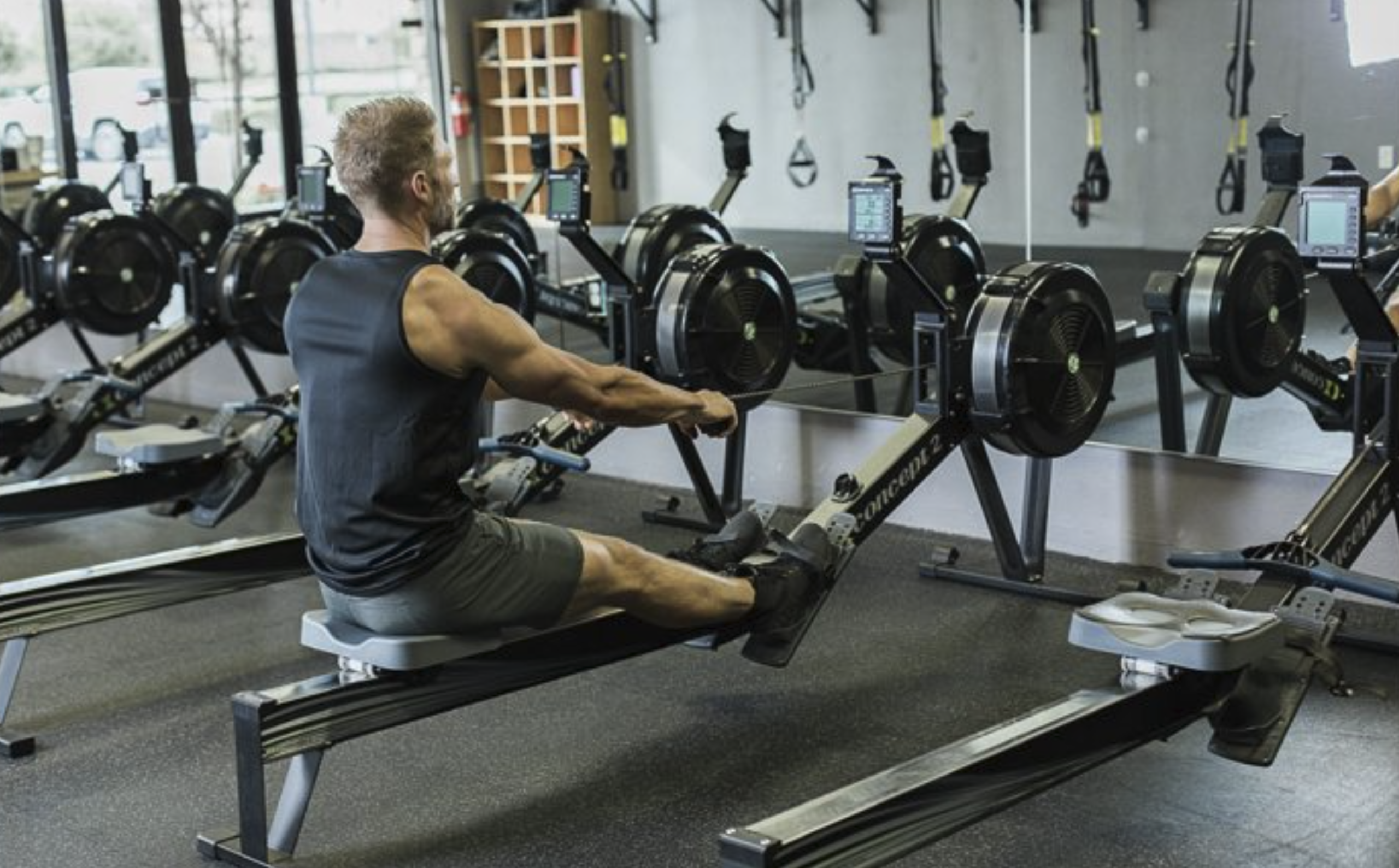
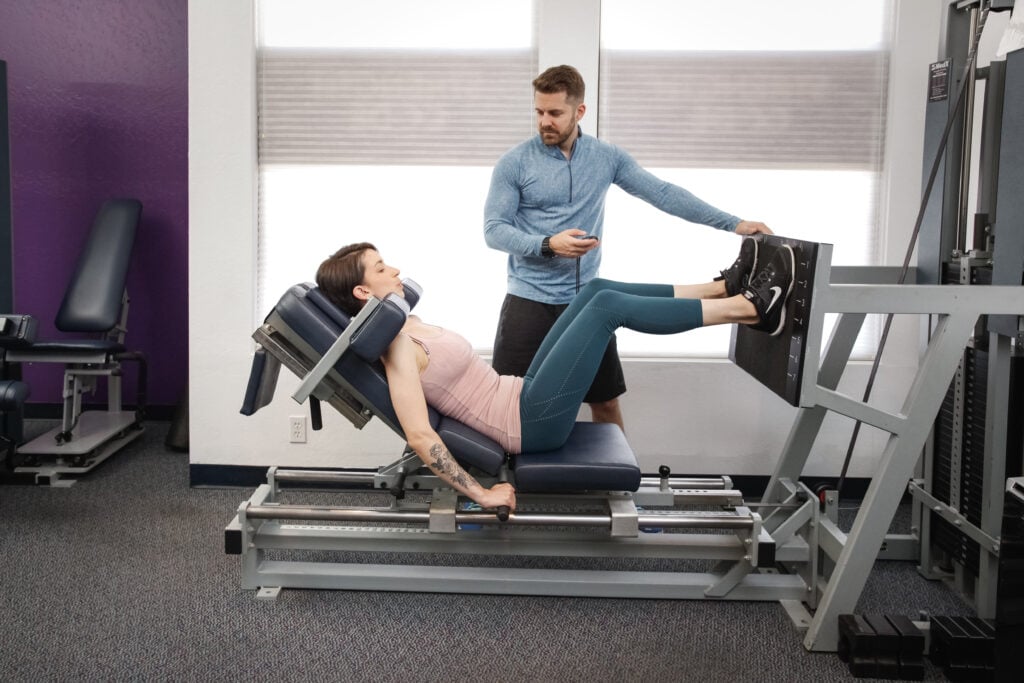
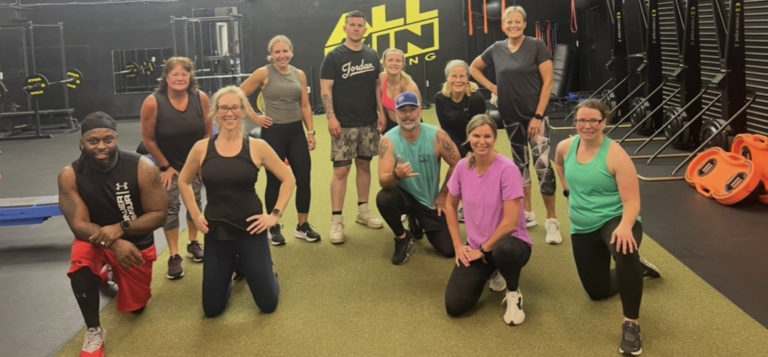
At Sacred Strength Sanctuary in Laguna Niguel, Joe Bando trains members one at a time on machines built to be moved slowly: no rep counts, a stopwatch on every set, work taken to muscular failure and the same 20-minute routine, progressed a few pounds at a time.
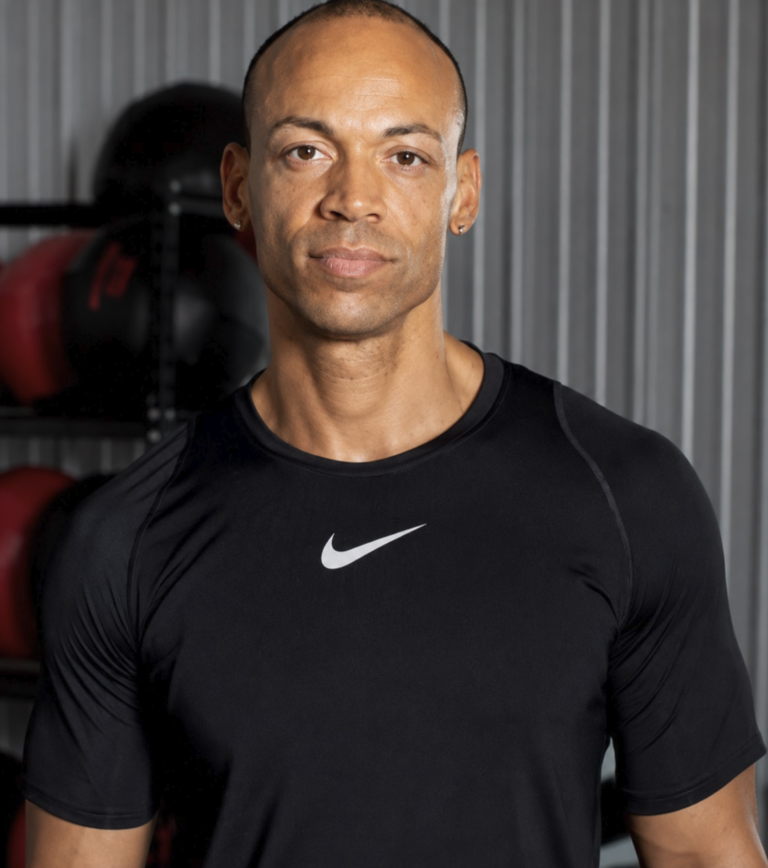
At Innovative Fitness and Rehabilitation in Fresno, Wayne Harlan tests VO2 max, strength, balance, vision and inner-ear function before writing a program, then retests every month. His method treats the heart and the brain as the two systems most training overlooks.
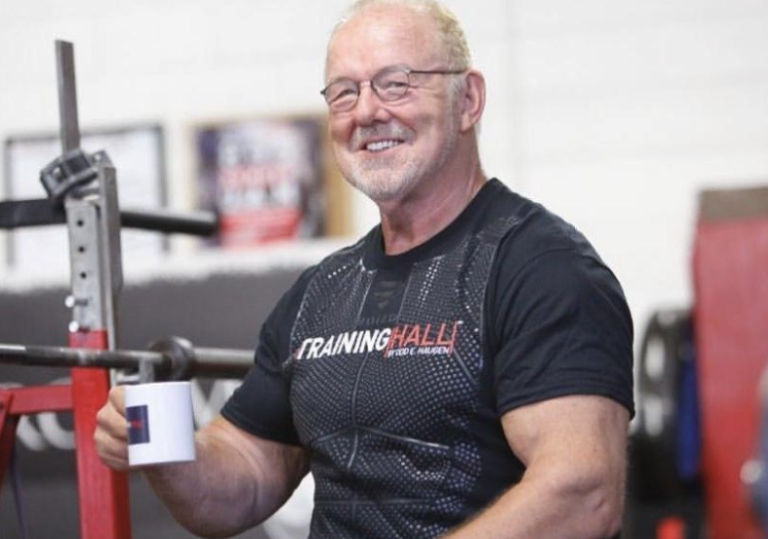
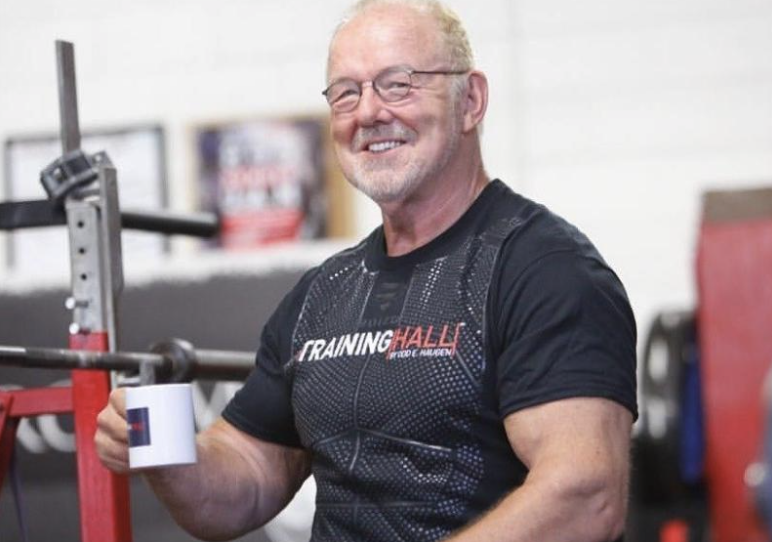
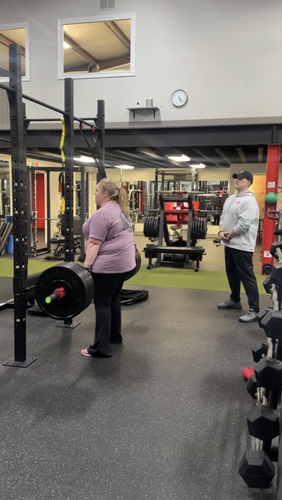
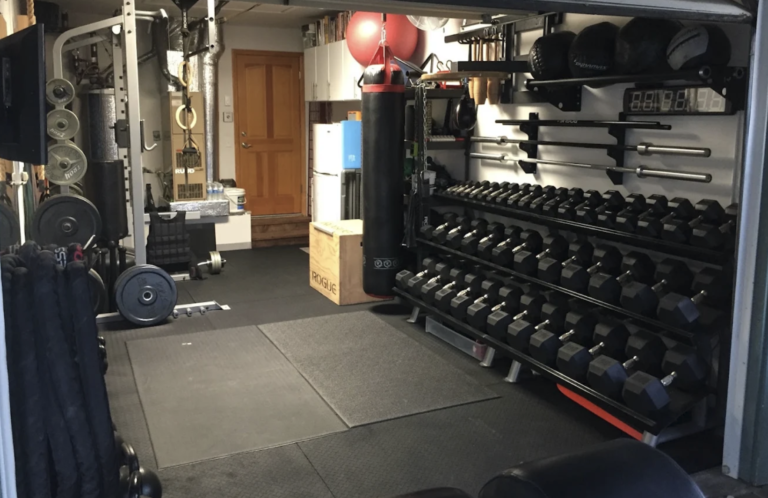
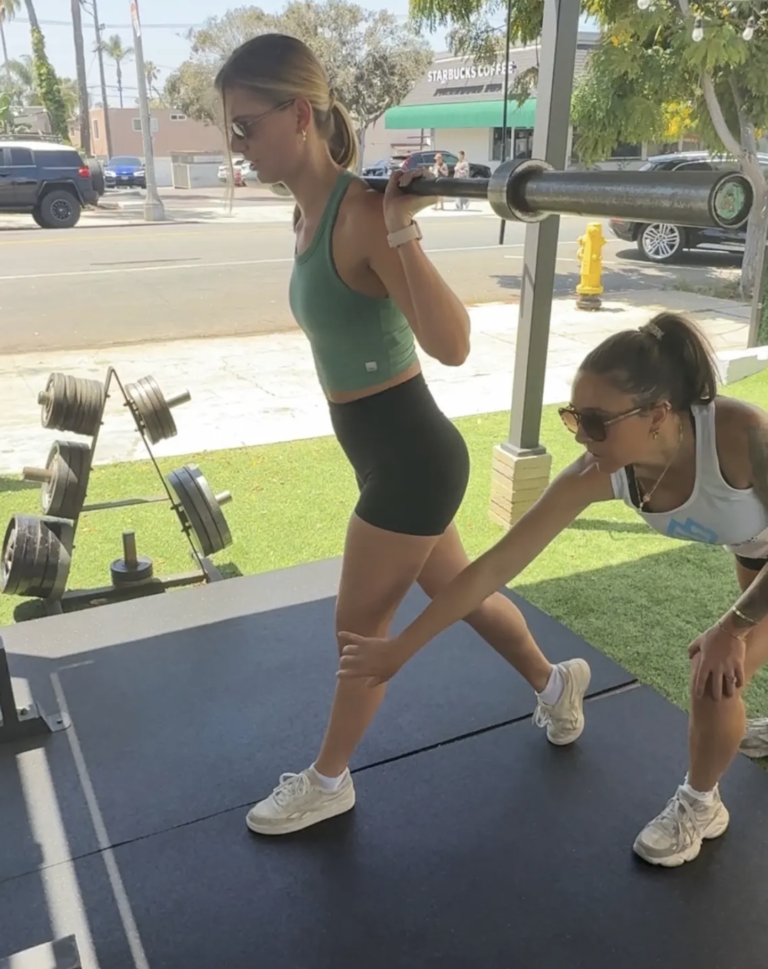
Odd Haugen's Training Hall centers the squat, deadlift, and press, pairing technical progression with strongman equipment and a welcoming strength culture.
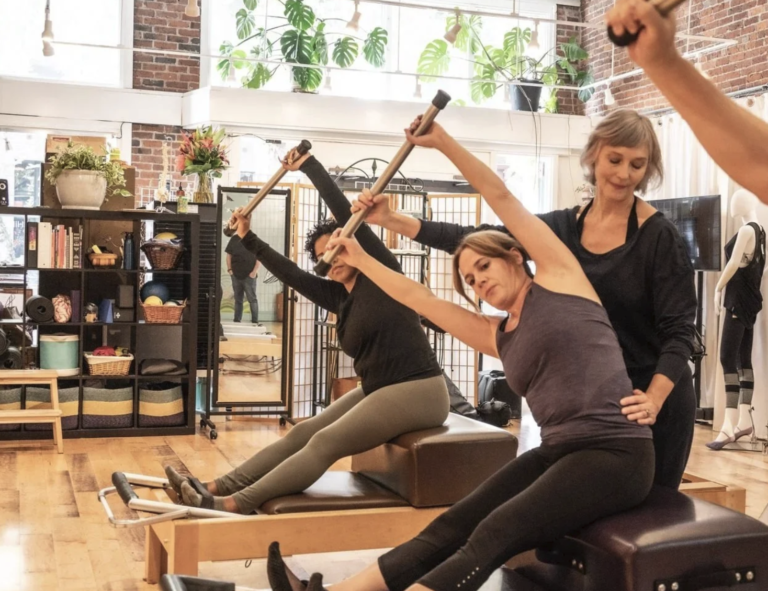
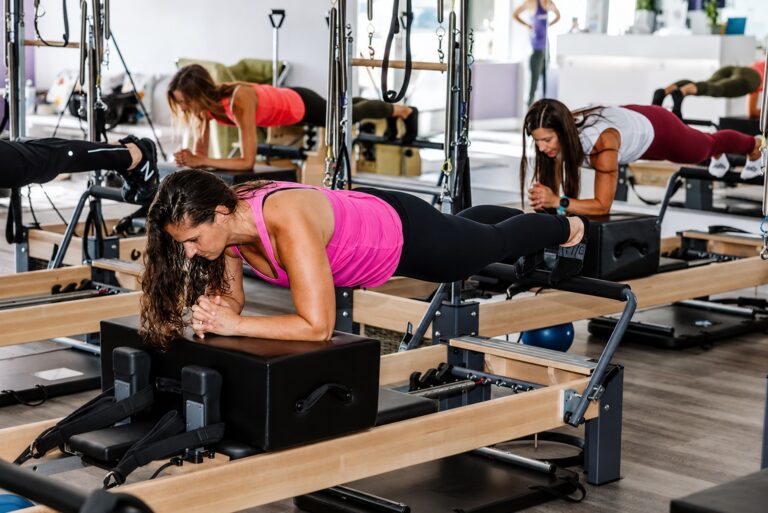
Kinesia Pilates combines Romana's Pilates, apparatus training, MELT Method work, and individual coaching rooted in technical precision.
Read evidence with context.These features report interview accounts and coaching practices. Client experiences and professional observations are not controlled research. Measured outcomes and published studies are identified where the reporting provides them.
At Innovative Fitness and Rehabilitation in Fresno, Wayne Harlan tests VO2 max, strength, balance, vision and inner-ear function before writing a program, then retests every month. His method treats the heart and the brain as the two systems most training overlooks.
At Altitude Sport Performance in Sonora, Chris Forster trains for a stimulus the body can adapt to, not exhaustion: a movement screen and baseline tests first, small program swaps, exercises modified or dropped when they do not work, and retests every three to four months.
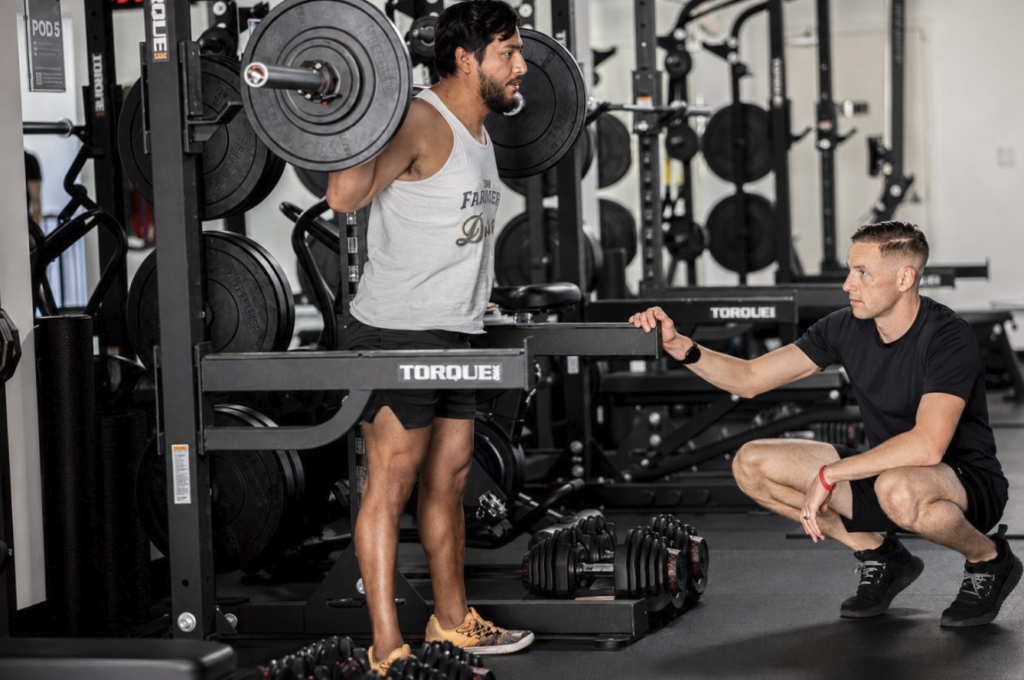
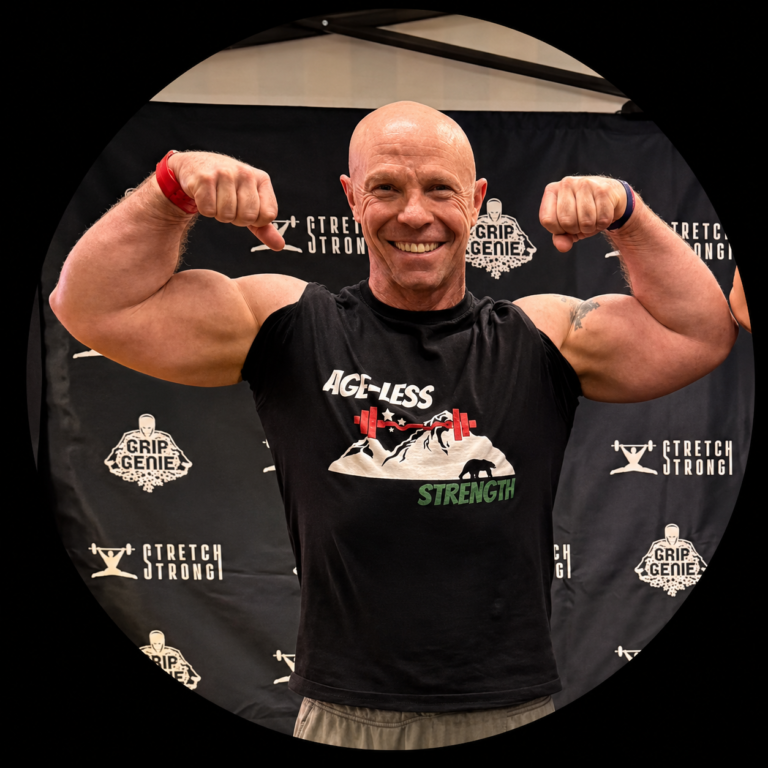
Age-Less Strength combines free weights, powerlifting instruction, structured programming, and mobility support for lifters across different life stages.
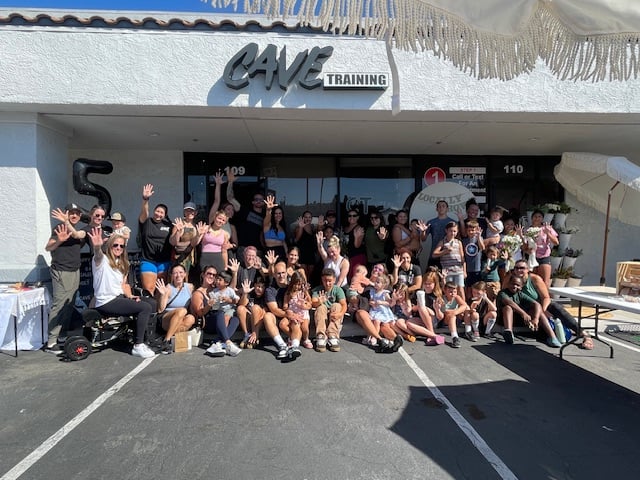
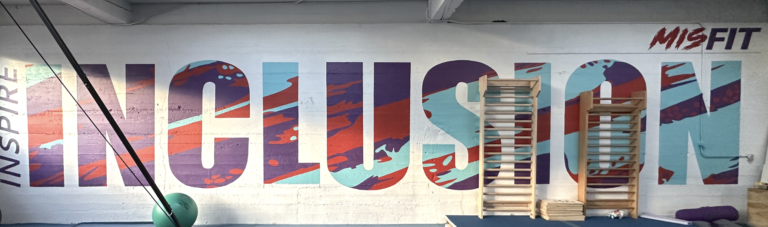
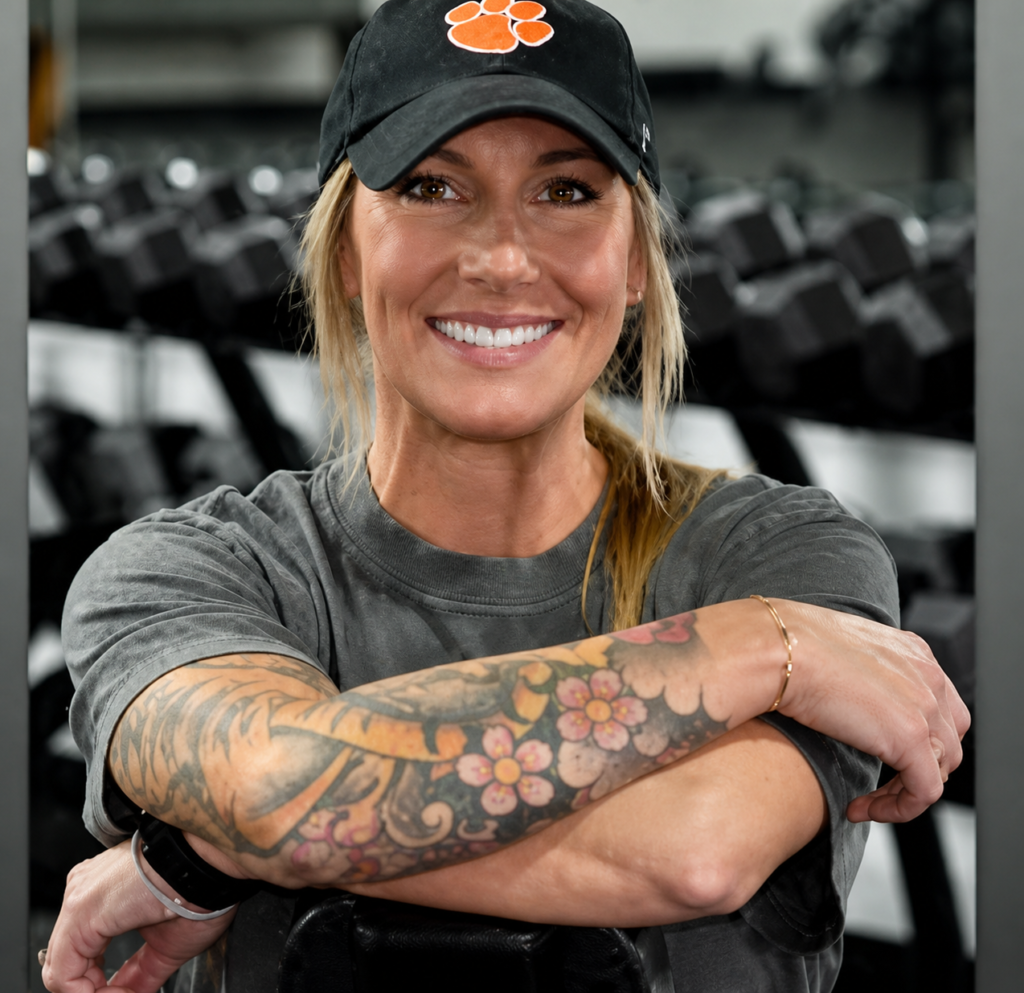
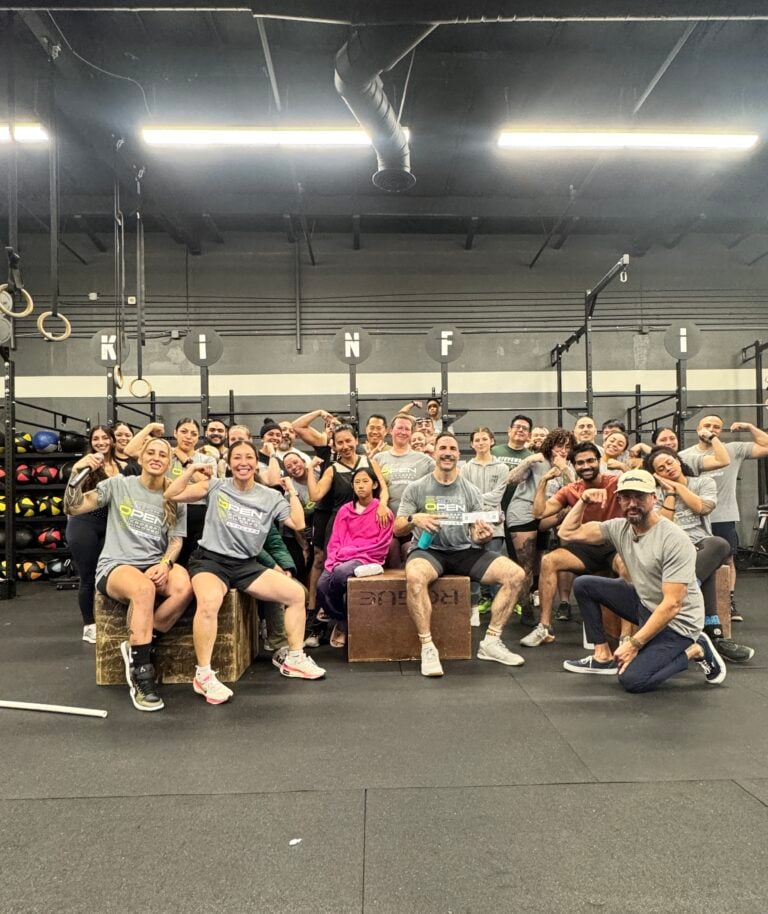
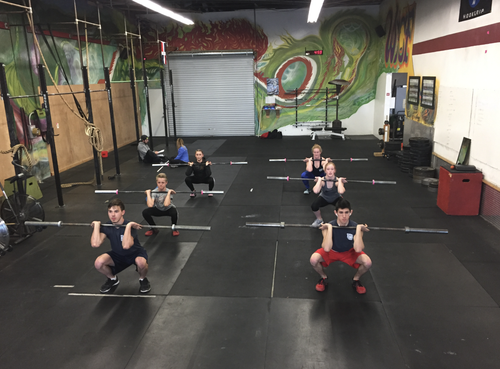
Spite Fitness combines small-group strength, personal coaching, nutrition support, and accountability within a community built around belonging.
M&A
From the Editorial Desk
The Editor’s Letter
A training method becomes more useful when its details are clear: how a coach chooses the work, adjusts it to the person, and decides when to progress. Those are the decisions we ask fitness owners to explain in Muscle & Authority.
As you read, look for the reasoning behind each approach and the basis for its claims. Observations from owners, experiences described by clients, and documented results can each offer insight, but they answer different questions. Our aim is to make those distinctions useful to your next training decision.